
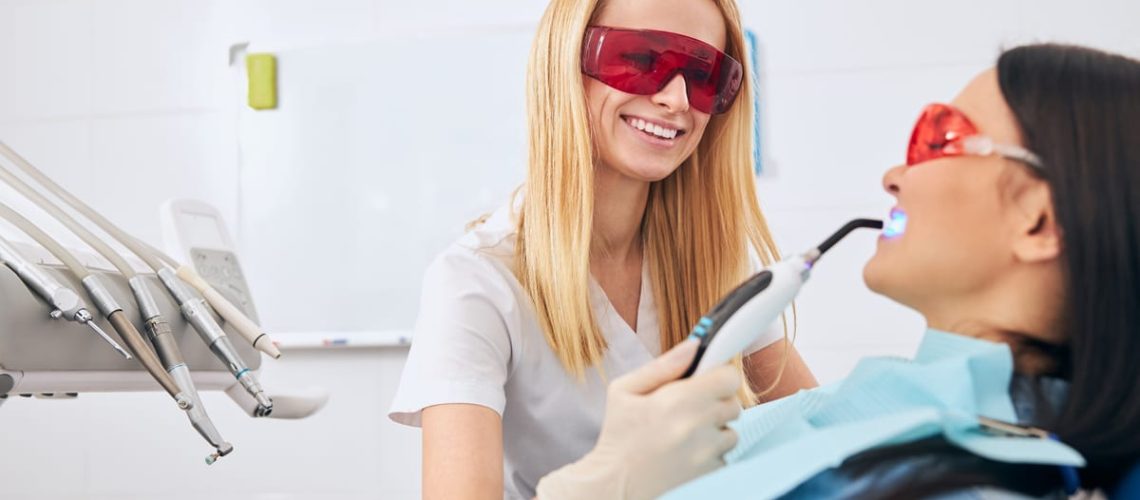
You invested in a brighter smile — and it looked amazing. Then, a few months later, you noticed the color creeping back. If you’ve been wondering why your teeth whitening fades fast and how to stop it in Oak Park, you’re not alone. Many patients ask Dr. Lawrence Fine this very question. The good news is that fading is largely preventable once you understand what causes it.
How Long Does Teeth Whitening Actually Last?
Most professional whitening treatments last between six months and two years. That’s a wide range — and for good reason. Your lifestyle habits play a huge role in how long your results hold. Patients who follow a careful maintenance routine often enjoy brightness closer to the two-year mark.
Over-the-counter strips typically fade faster than professional treatments. Professional-grade whitening penetrates deeper into the enamel. This gives you a stronger starting point, but it doesn’t make your teeth immune to staining. Think of it like a freshly painted wall — it still needs protection.
At One Fine Smile in Oak Park, we offer professional whitening as part of our Cosmetic Dentistry Oak Park services. Dr. Fine tailors each treatment to your specific enamel type and goals. That personalized approach helps you start with the best possible result.
The Biggest Habits That Shorten Your Whitening Results
Certain daily habits are the primary reason why teeth whitening fades fast for Oak Park patients. The most common culprits are foods and drinks that contain strong pigments. These pigments bond to enamel and slowly reverse your whitening results over time.
Here are the top staining offenders to watch:
- Coffee and tea: Dark pigments cling to enamel quickly, especially without a straw.
- Red wine: Contains tannins and chromogens that deeply stain teeth.
- Tobacco: Smoking or chewing tobacco causes deep, stubborn discoloration.
- Dark sodas and sports drinks: Acidic and pigmented — a double threat to whiteness.
- Soy sauce, tomato sauce, and berries: Deeply colored foods that stain over time.
Acidic foods and drinks also matter. Acids temporarily soften enamel, making it more porous. When pores are open, staining agents absorb more easily. This is why drinking coffee right after whitening is especially damaging.
Smoking deserves special attention. Nicotine and tar create surface stains and penetrate deep into enamel. Even light smokers see faster fading than non-smokers. Quitting is the single best thing you can do for both your smile and your overall health.
Why Your Teeth Whitening Fades Fast — And What Science Says
Teeth whitening works by using peroxide to break apart stain molecules inside the enamel. Over time, new staining molecules replace the old ones. This is a completely natural process — your teeth are not permanently white after whitening.
Enamel is also naturally porous. Under a microscope, it looks more like a sponge than a smooth surface. Every time you eat or drink, pigment particles have the opportunity to settle into those tiny spaces. Daily brushing removes surface stains, but it can’t fully reverse deep discoloration once it sets in.
Saliva plays a protective role too. It helps neutralize acids and rinse away some pigments. But saliva works best when it has time to do its job. Sipping coffee slowly all morning gives pigments more contact time with your enamel than drinking it quickly.
Practical Tips to Keep Your Smile Brighter Longer in Oak Park
You don’t have to give up coffee or wine entirely. A few smart habits can dramatically extend your whitening results. Consistency matters more than perfection — small daily choices add up over time.
Follow these maintenance strategies:
- Use a straw: For coffee, tea, and dark drinks, a straw reduces direct contact with your front teeth.
- Rinse after staining foods: Swish water immediately after eating or drinking anything pigmented.
- Brush twice daily: Use a whitening toothpaste approved by your dentist for gentle maintenance.
- Avoid staining foods right after whitening: Your enamel is most porous immediately after treatment — give it 48 hours.
- Schedule touch-up treatments: At-home whitening trays from your dentist make periodic touch-ups easy and effective.
- Keep up with cleanings: Professional cleanings remove surface stains before they set deeper into enamel.
Touch-up trays are one of the most underused tools for maintaining whitening results. Dr. Fine can provide custom-fitted trays that you use at home every few months. These are far more effective than over-the-counter options because they fit precisely to your teeth.
Diet timing is also something most people overlook. The 48 hours after whitening are your most vulnerable window. Stick to white or light-colored foods like chicken, rice, and water during that period. This simple step can significantly extend how long your results last.
When to Consider Other Cosmetic Options
Sometimes whitening alone isn’t the best long-term solution. If your discoloration comes from internal staining — caused by medications, aging, or trauma — whitening may have limited results. In those cases, other cosmetic treatments may serve you better.
Veneers and dental bonding can cover stains that whitening cannot reach. These options also protect your enamel from future staining. Ask Dr. Fine during your next visit whether whitening or another approach fits your situation best.
For patients dealing with missing teeth alongside cosmetic concerns, it’s worth knowing that Dental Implants Oak Park can restore both function and appearance. A complete, healthy smile often involves more than one treatment working together. Dr. Fine takes a comprehensive approach to help every patient feel confident.
Conclusion
Teeth whitening fades for predictable, preventable reasons. Coffee, wine, smoking, and acidic foods are the main culprits — but the right habits can dramatically slow that process. Understanding why your teeth whitening fades fast in Oak Park puts the power back in your hands. With professional guidance from Dr. Lawrence Fine and a simple maintenance routine, your bright smile can last far longer than you might expect. Book Now to schedule your appointment with our team.
Frequently Asked Questions
How long does professional teeth whitening last compared to store-bought kits?
Professional whitening typically lasts six months to two years, depending on your habits. Store-bought kits usually fade within one to three months. Professional treatments use stronger peroxide concentrations that penetrate deeper into enamel, giving you a longer-lasting result.
Can I drink coffee after teeth whitening?
It’s best to avoid coffee for at least 48 hours after whitening. Your enamel is temporarily more porous right after treatment, making staining much more likely. After that window, using a straw and rinsing with water afterward can help reduce the impact of coffee on your results.
Does smoking really affect teeth whitening that much?
Yes — smoking is one of the fastest ways to reverse whitening results. Nicotine and tar cause both surface stains and deeper discoloration that can be very difficult to remove. Patients who smoke typically need touch-ups far more frequently than non-smokers.
How often should I do touch-up whitening treatments?
Most patients benefit from touch-up treatments every three to six months. The exact frequency depends on your diet and lifestyle habits. Custom take-home trays from your dentist make this process simple and more effective than over-the-counter alternatives.
Is teeth whitening safe for everyone?
Whitening is safe for most healthy adults with natural teeth. It is not recommended for patients with severe enamel erosion, gum disease, or certain types of dental restorations. Dr. Fine evaluates each patient individually to make sure whitening is the right choice before beginning treatment.