
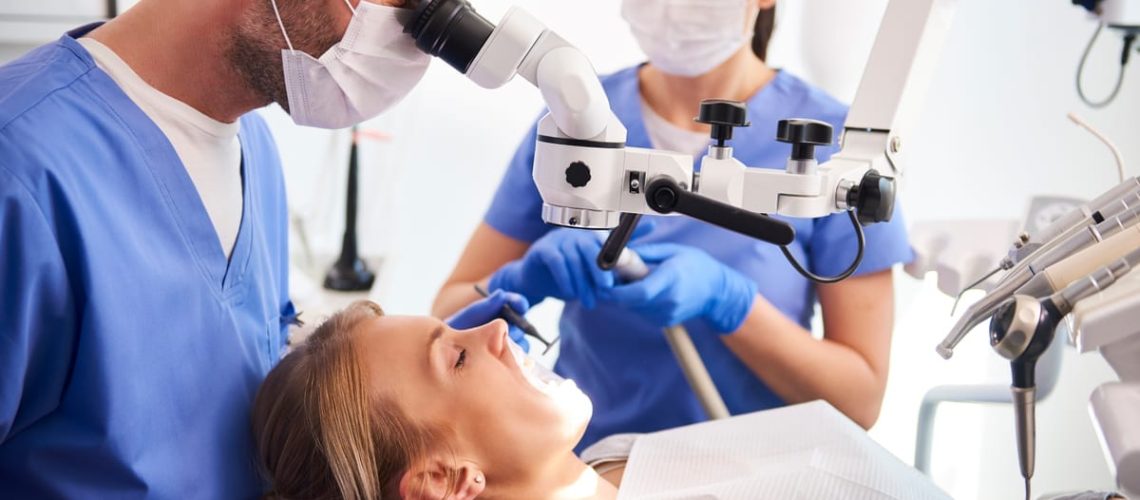
If you’ve been told you need a root canal, your first question is probably about pain. Does a root canal really hurt? What should you expect during treatment in Oak Park? The honest answer might surprise you. Modern root canal treatment is far more comfortable than most patients expect — and in many cases, it actually relieves the pain you’ve already been feeling.
At One Fine Smile – Oak Park, Dr. Lawrence Fine helps patients understand exactly what the procedure involves. Knowledge is one of the best tools for reducing dental anxiety. Let’s walk through the real experience, step by step.
Does a Root Canal Really Hurt? The Truth About Pain Levels
Root canals have a bad reputation — but most of it is outdated. The procedure itself is performed under local anesthesia, which numbs the tooth and surrounding tissue completely. You should feel pressure, not pain, during the treatment.
Most patients report that their pre-treatment toothache was far worse than the procedure. That severe, throbbing pain from an infected tooth is what root canals are designed to stop. The treatment removes the source of infection and eliminates that ongoing discomfort.
Dental anxiety is real and completely valid. Dr. Fine and the team at One Fine Smile approach every appointment with patience and empathy. If you’ve been avoiding care because of fear, you’re not alone — and you don’t have to stay in pain.
What Happens During Root Canal Treatment in Oak Park
Understanding the steps helps reduce fear of the unknown. Here is what typically happens during a root canal at One Fine Smile:
- Numbing the area: Dr. Fine applies a topical numbing gel before injecting local anesthesia. Most patients barely feel the injection.
- Accessing the tooth: A small opening is made in the crown of the tooth to reach the inner pulp chamber.
- Removing infected tissue: The inflamed or infected pulp is carefully removed using thin, flexible instruments.
- Cleaning and shaping: The root canals are cleaned, disinfected, and shaped to prepare for filling.
- Sealing the tooth: The canals are filled with a biocompatible material called gutta-percha to prevent reinfection.
- Placing a crown: In most cases, a dental crown is placed afterward to protect and restore the tooth.
The entire appointment typically takes one to two hours. Some complex cases may require a second visit. Dr. Fine will give you a clear treatment timeline before anything begins.
What You Feel During vs. After the Procedure
During the procedure, you should feel no pain. The anesthesia keeps the area completely numb. You may notice sensations like vibration or mild pressure — that is normal and not a sign that something is wrong.
After the anesthesia wears off, some tenderness is expected. This usually lasts two to three days. Over-the-counter pain relievers like ibuprofen or acetaminophen manage this discomfort well for most patients.
Here is what post-treatment recovery typically looks like:
- Mild soreness or sensitivity for 2–3 days after treatment
- Slight swelling of the gum tissue around the treated tooth
- Temporary sensitivity when biting down
- Full relief from the original infection pain within a few days
Most patients return to normal activities the very next day. Avoiding hard or chewy foods for a few days helps the tooth heal comfortably.
When to Call Dr. Fine After Your Root Canal
Some discomfort after a root canal is completely normal. However, certain symptoms may indicate a complication that needs attention. Contact One Fine Smile if you experience any of the following:
- Severe pain that does not improve after 3–4 days
- Visible swelling that gets worse rather than better
- A fever or signs of spreading infection
- A broken or lost temporary filling or crown
Dr. Fine wants every patient to have a smooth recovery. The team is available to answer questions and address concerns after your appointment. You will never feel like you are on your own following treatment.
If you are ever in sudden, severe dental pain, Emergency Dentistry Oak Park is available at One Fine Smile to see you promptly and provide fast relief.
Protecting Your Smile After Root Canal Treatment
A root canal saves your natural tooth — and that matters more than many people realize. Keeping your natural tooth prevents bone loss in the jaw and maintains the alignment of surrounding teeth. It is almost always preferable to extraction when the tooth can be saved.
After your root canal and crown, treat the restored tooth just like a natural one. Brush twice daily, floss regularly, and attend your routine checkups. With proper care, a tooth treated with a root canal can last a lifetime.
If a tooth cannot be saved and extraction becomes necessary, Dr. Fine will discuss tooth replacement options with you. Dental Implants Oak Park are one of the most effective and long-lasting ways to restore a missing tooth and protect your jaw health.
Root canals are one of the most misunderstood procedures in dentistry. When performed by an experienced provider like Dr. Lawrence Fine, the treatment is straightforward, effective, and far less uncomfortable than most patients anticipate. If you have been putting off care because of fear, now is a great time to take that first step. Book Now to schedule your appointment with our team.
Frequently Asked Questions
Does a root canal really hurt during the procedure?
No — most patients feel little to no pain during a root canal. Local anesthesia fully numbs the tooth and surrounding area before treatment begins. You may feel mild pressure or vibration, but the procedure itself should not be painful.
How long does recovery take after a root canal in Oak Park?
Most patients experience mild soreness for two to three days after treatment. Over-the-counter pain relievers manage this discomfort effectively. The majority of patients return to their normal routine the following day.
What causes the pain people associate with root canals?
The pain most people remember or fear is actually the toothache caused by the infection — not the root canal itself. The procedure removes that infected tissue and eliminates the source of the pain. Patients typically feel significant relief once the treatment is complete.
Is a crown always required after a root canal?
In most cases, yes. A crown protects the treated tooth from fracture and restores full chewing function. Dr. Fine will evaluate your specific situation and recommend the best restoration option for your tooth.
What should I do if my pain gets worse after a root canal?
Some soreness is normal for a few days, but worsening pain, swelling, or fever may signal a complication. Contact One Fine Smile promptly if your symptoms do not improve within three to four days or if you experience any sudden changes after treatment.